
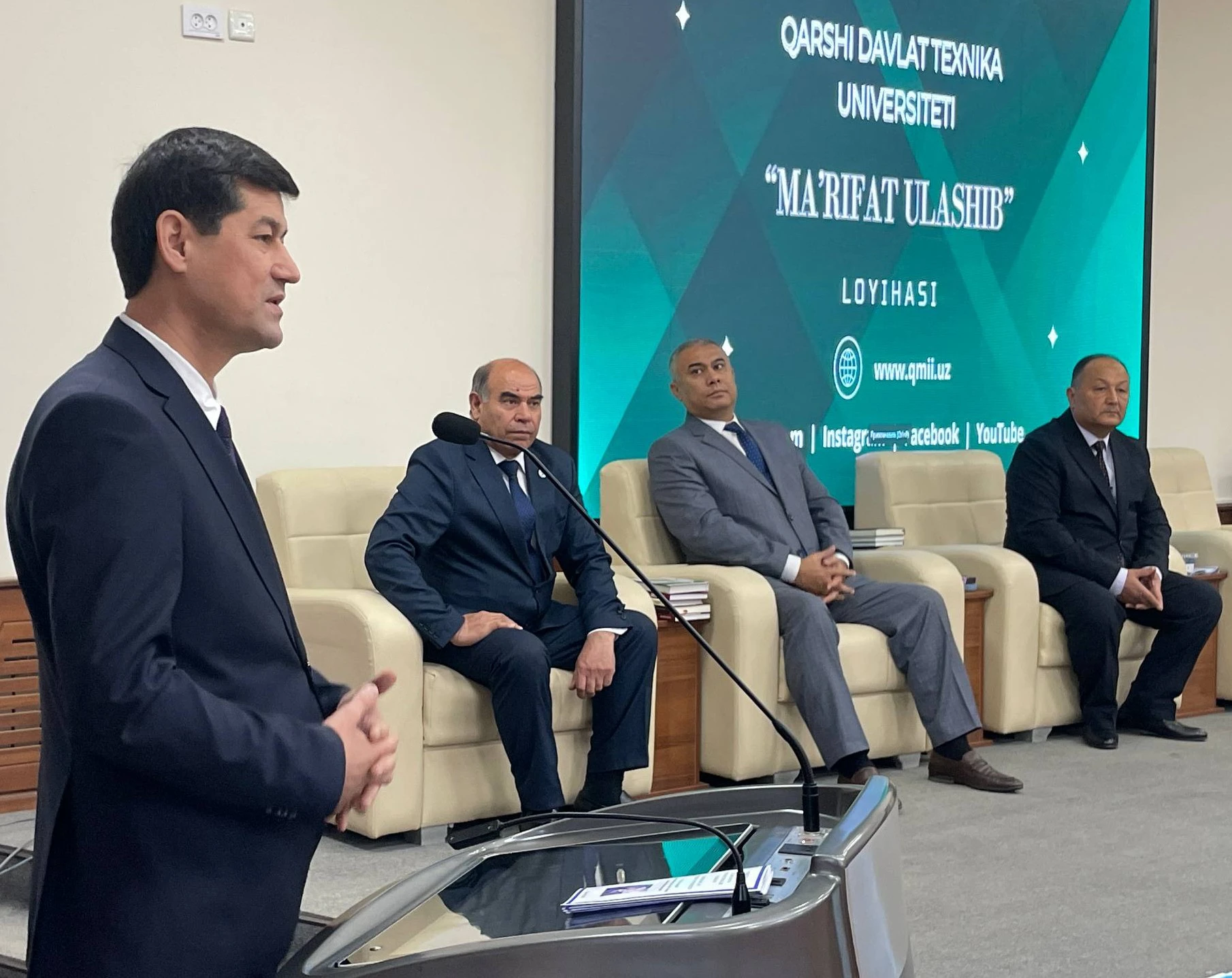
Within the framework of the “Spreading Enlightenment” project, a creative meeting was held in the assembly hall of the Faculty of Oil, Gas and Geology with distinguished literary figures Amirqul Karim, Abduhamid Muxtorov and Zikrillo Neʼmatov.
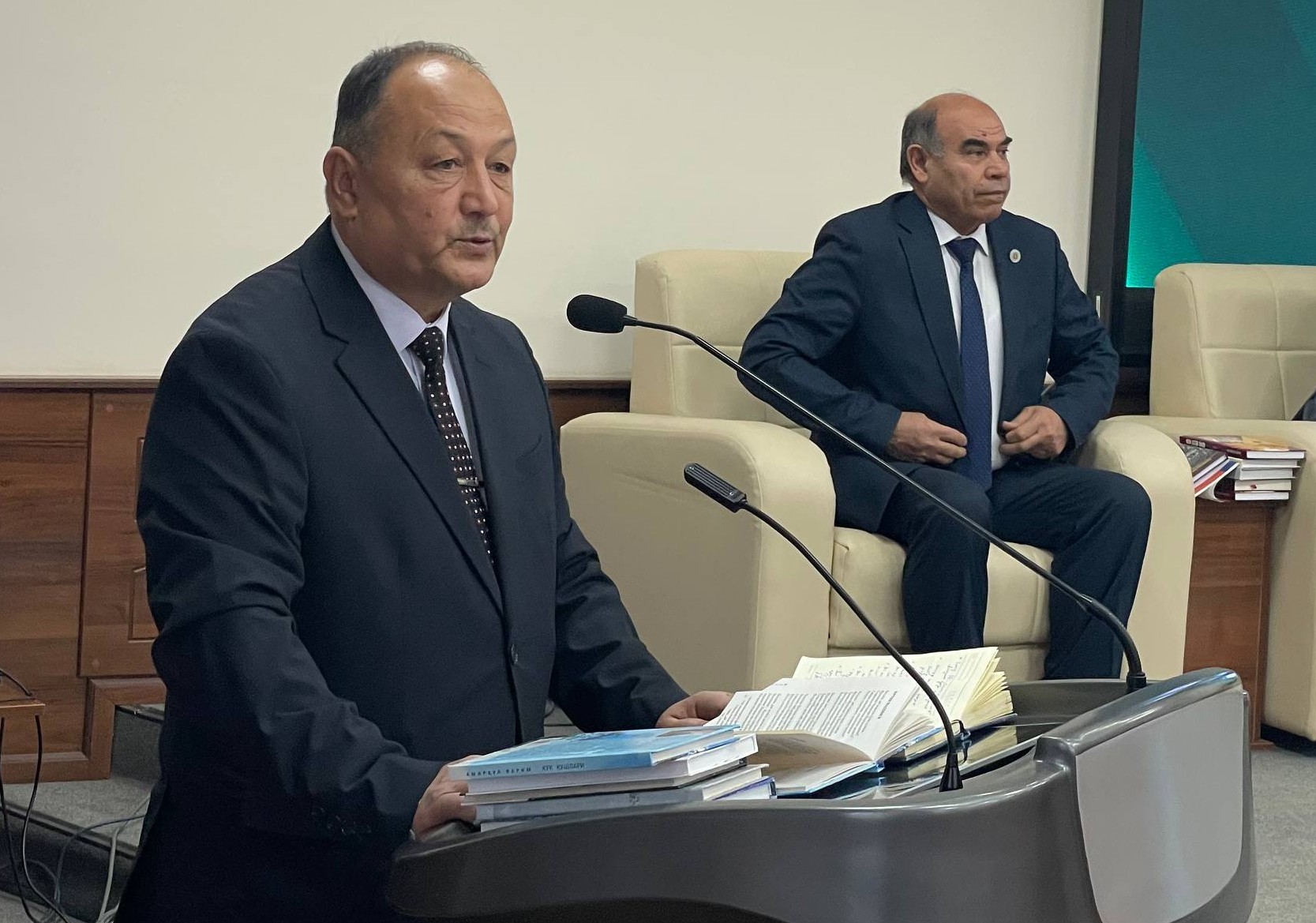
As reflected in the title of the event, its primary objective was to further enhance the spiritual culture of young people and to intensify their sense of patriotism. It was emphasized that an enlightened individual constitutes the genuine foundation for the future development of society.
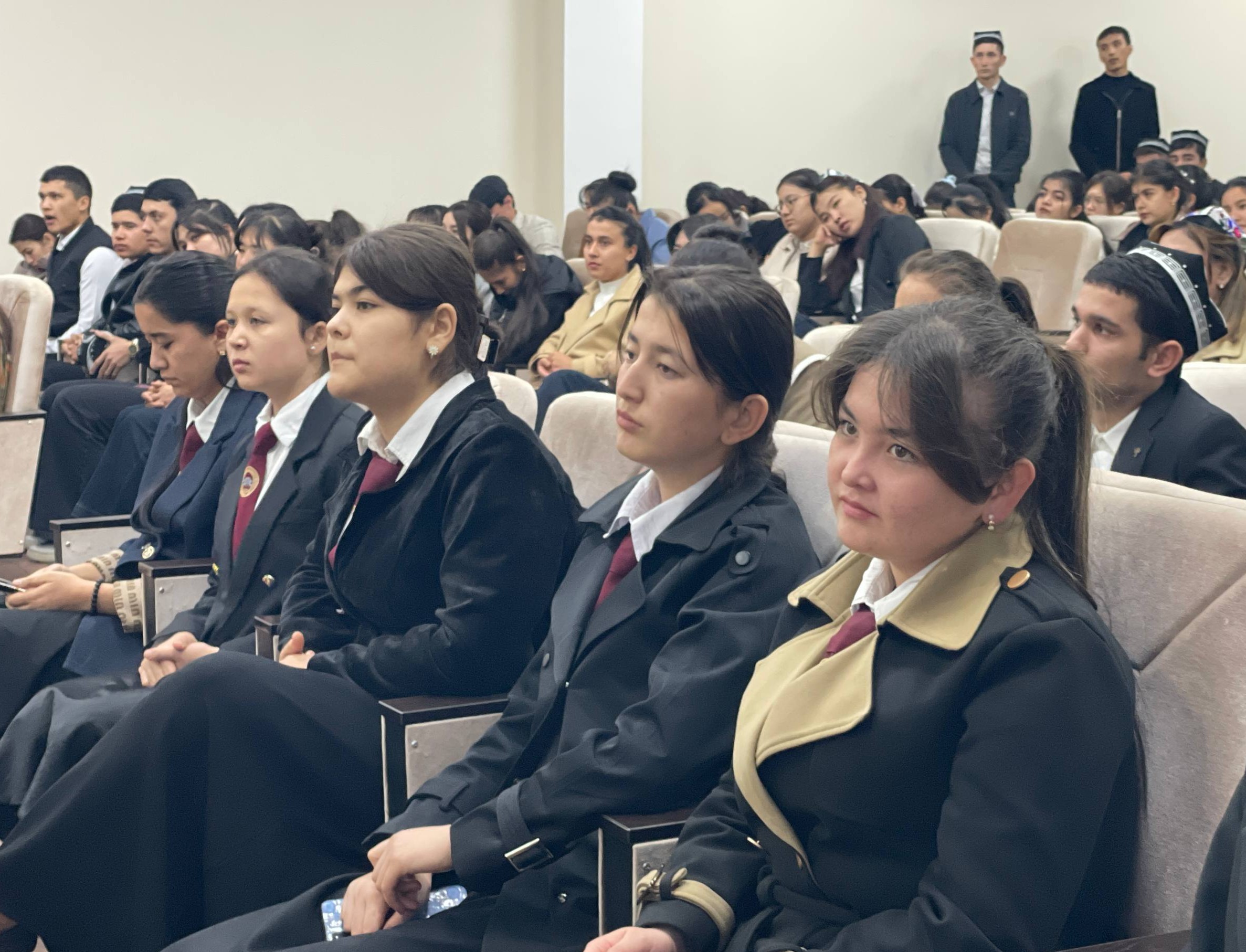
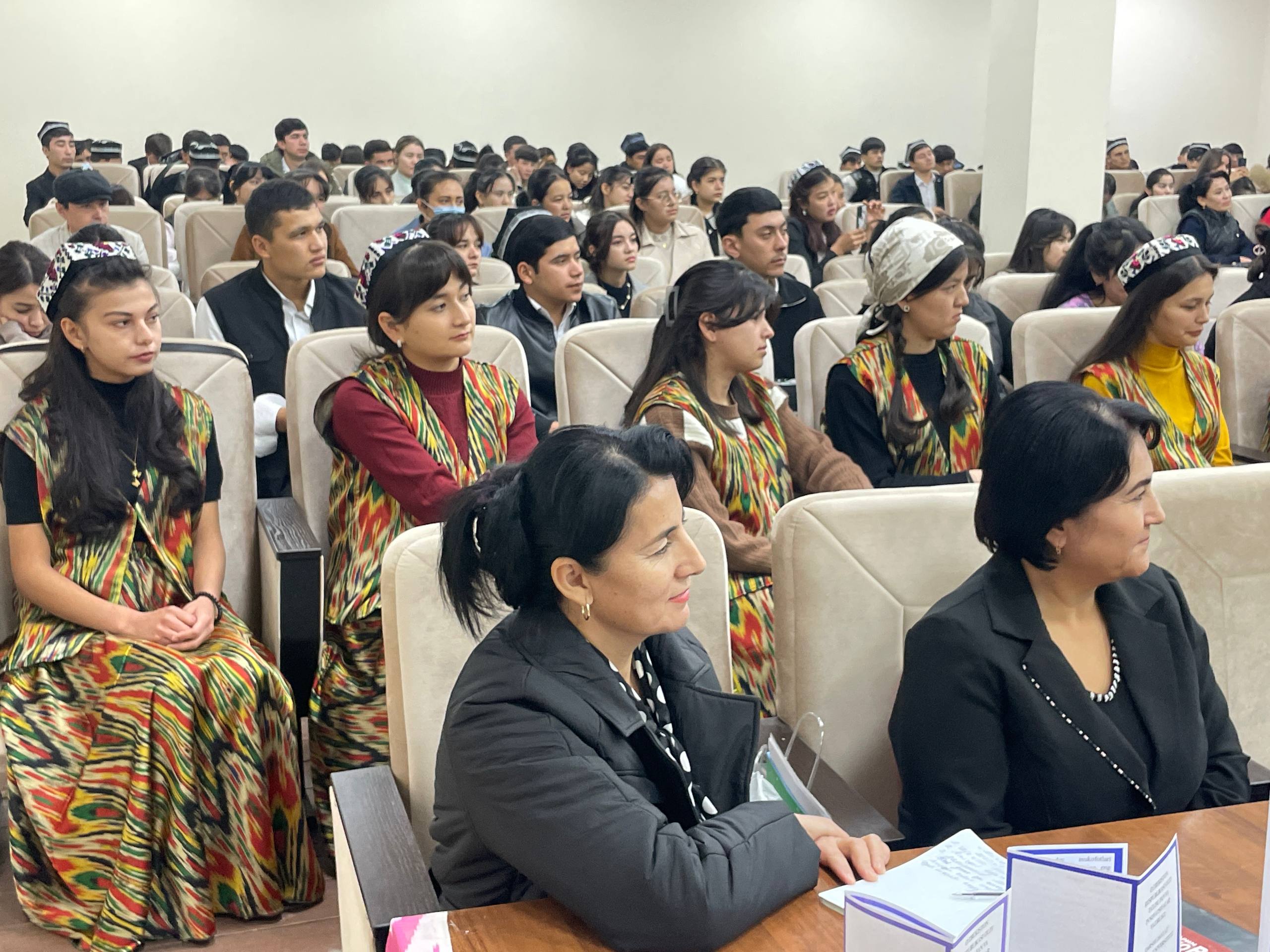
The dialogue between the writers and the students proceeded in a dynamic and engaging manner, marked by poetic expression and an uplifting emotional tone. The poetic programme devoted to themes such as homeland, longing for one’s native land, and human affection created an atmosphere of inspiration and satisfaction among participants.
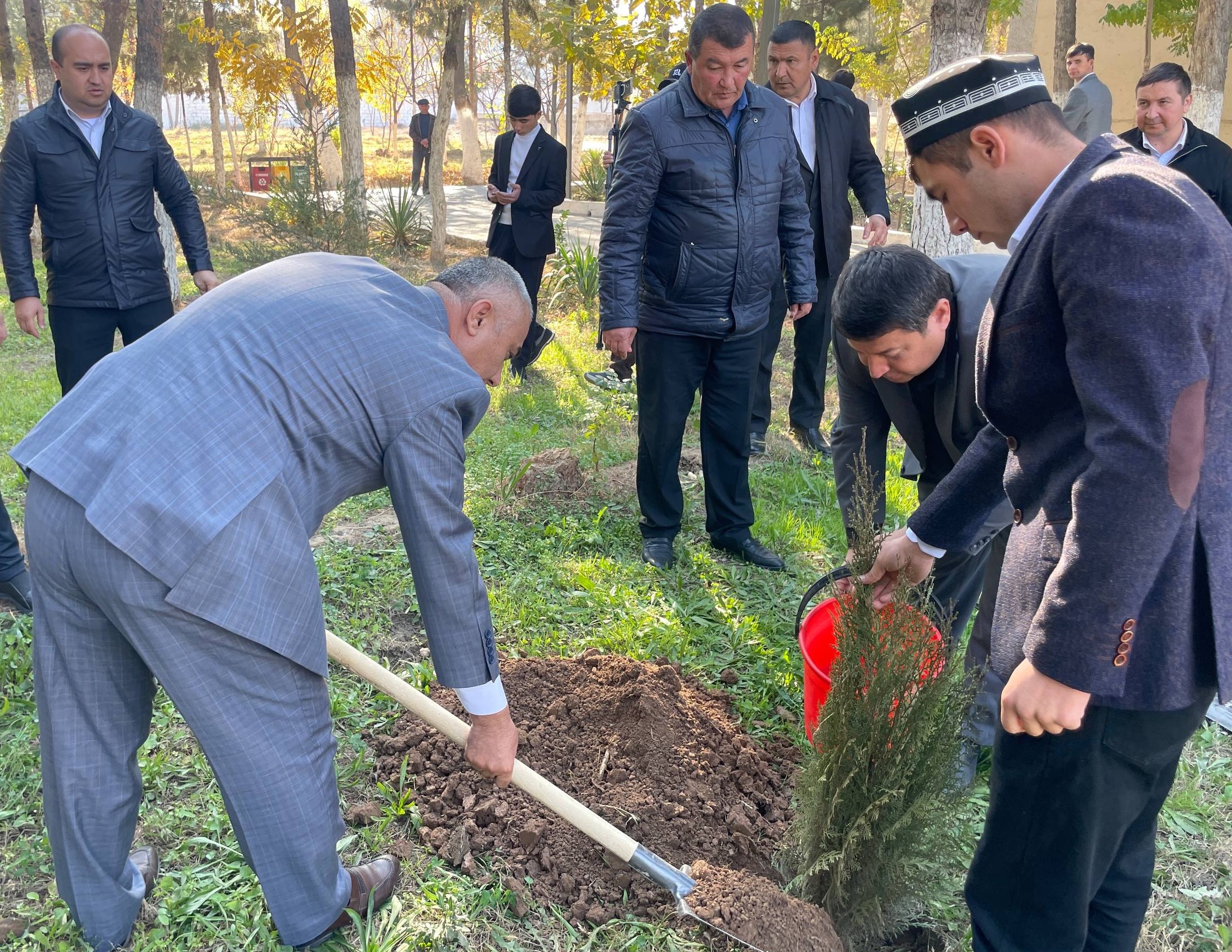
Within the framework of the “Spreading Enlightenment” initiative, a tree-planting campaign was also organized in the garden of the Faculty of Oil, Gas and Geology as part of the nationwide “Green Space” project. The ornamental saplings planted by the guests serve not only as a symbolic memento of the day, but also as a meaningful contribution to students’ environmental and aesthetic awareness.
During the event, students engaged in informal conversations with the writers and took commemorative photographs, which further strengthened the sense of closeness between the younger generation and contemporary men of letters.
Creative meetings with the renowned authors Amirqul Karim, Abduhamid Muxtorov and Zikrillo Neʼmatov were likewise held in Koson, Ko‘kdala and Mirishkor districts, as well as in Student Dormitory No. 2 of the university. In all these venues, discussions naturally turned to issues of spirituality, the enduring value of books, and the broader significance of enlightenment in personal and societal development.
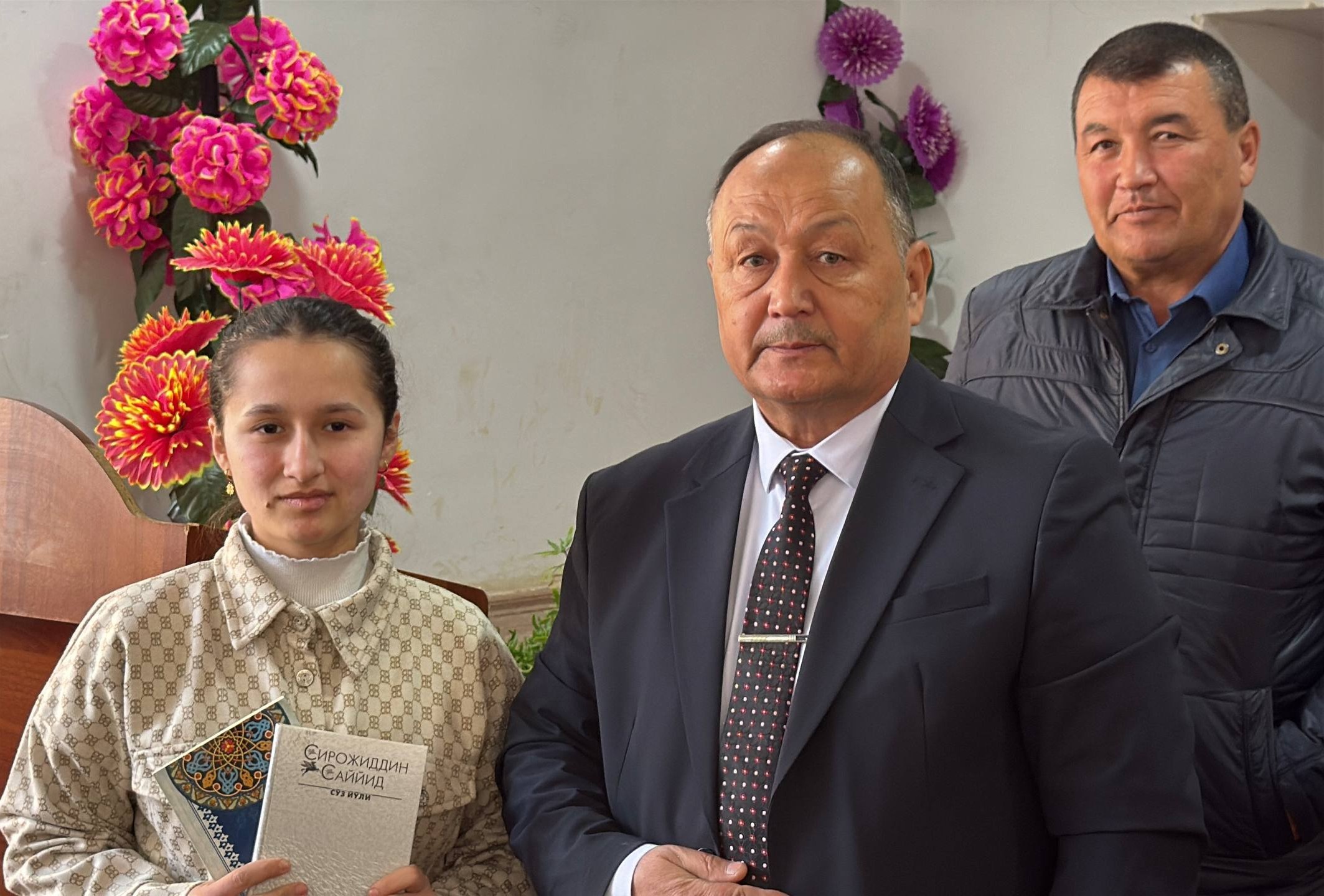
Particularly noteworthy were the literary programmes prepared by school pupils, which brought genuine joy to the audience and demonstrated the potential of younger learners to engage with literature in a meaningful way.
The guests provided detailed and substantive answers to students’ questions concerning contemporary literature, attitudes towards reading, and the ethical and professional responsibility inherent in translation activity.
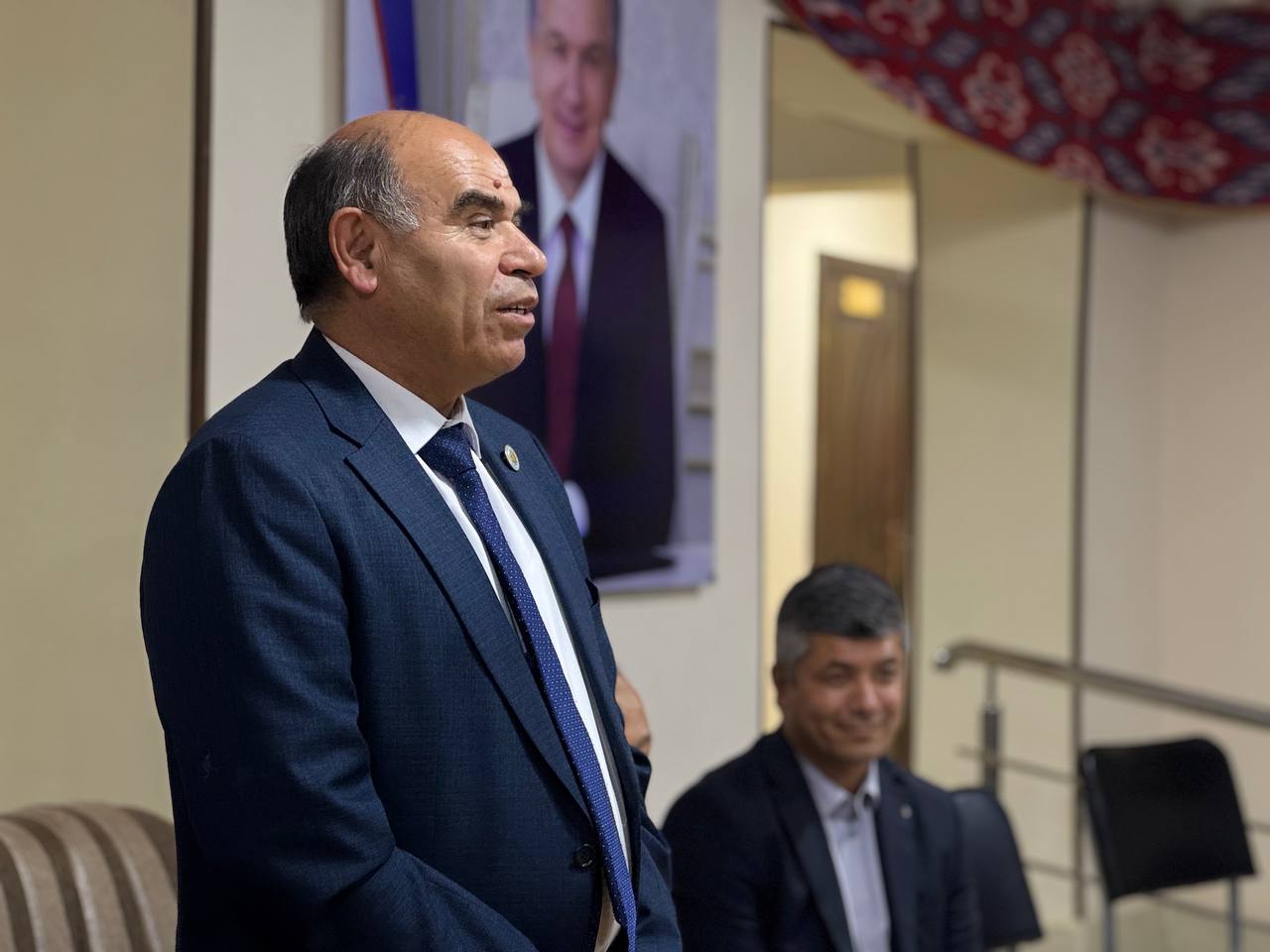
The interaction created an opportunity for the writers to share with young people their reflections on reading culture, the challenges and demands of creative work, and the history of the creation of their works. At the same time, it enabled the organizers to reiterate and clarify the aims and expected outcomes of the “Spreading Enlightenment” project for the student audience.