
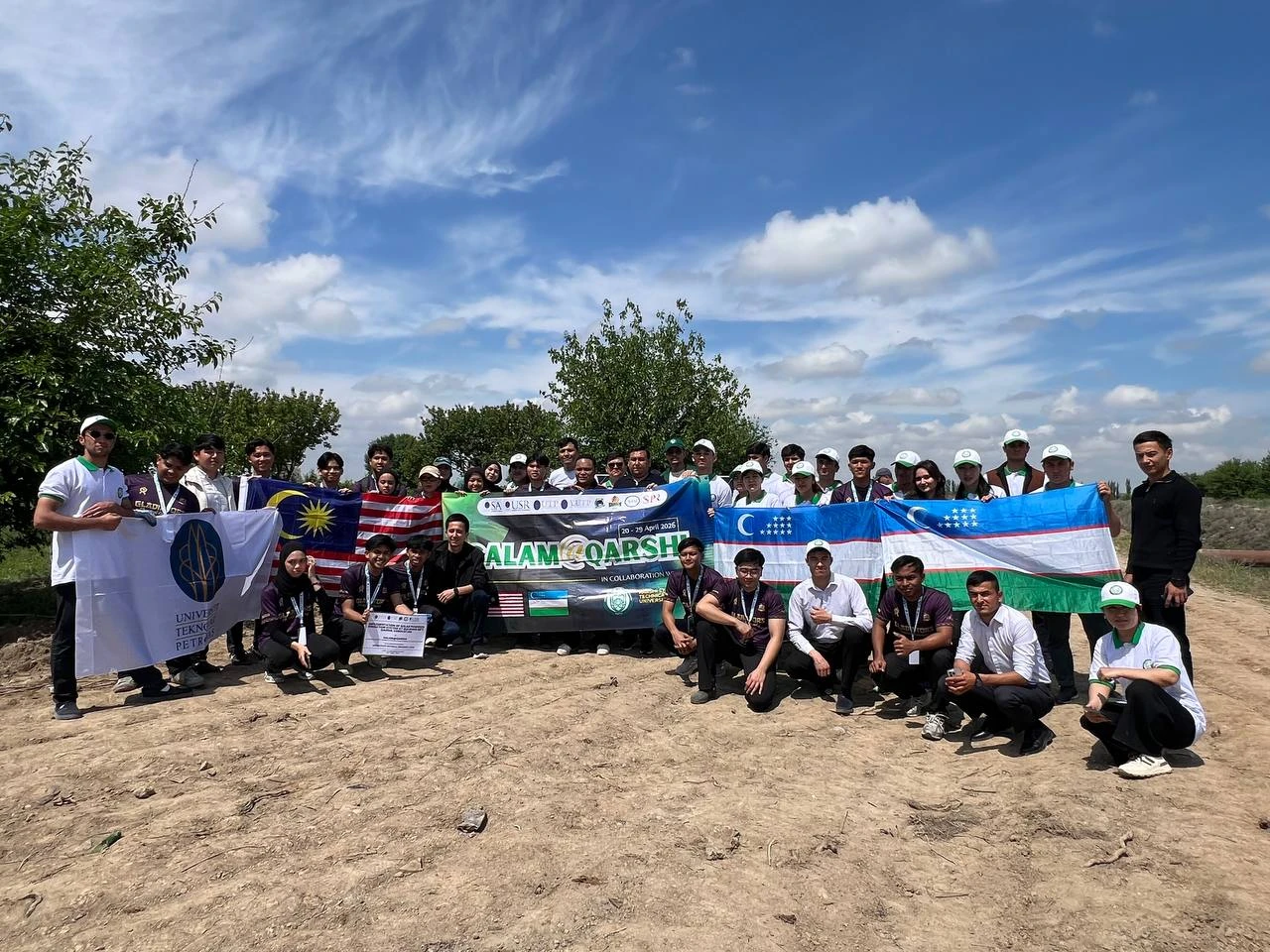
From April 20 to 25 of this year, an international student exchange program is being conducted at Karshi State Technical University under the framework of a cooperation agreement with the prestigious Universiti Teknologi PETRONAS (UTP), Malaysia. The program is organized under the theme “Salom Qarshi.”
Throughout the week, members of the Malaysian delegation have been actively engaged in joint academic and practical activities alongside students of Karshi State Technical University. These include participation in seminars on innovative engineering solutions, site visits to major industrial enterprises in the region, and exposure to local production processes. In parallel, the program fosters intercultural dialogue and strengthens mutual understanding between the youth of the two nations.
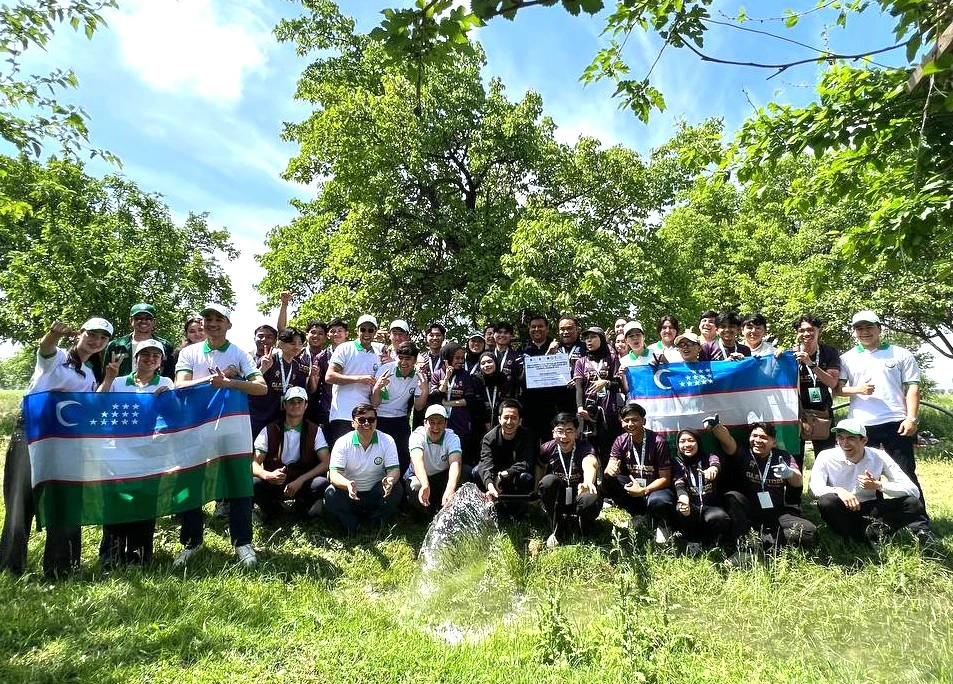
A delegation of 20 Malaysian students, led by Professor Mohd Dzul Hakim Bin Wirzal, not only participated in academic exchange but also implemented a socially impactful project in the Kashkadarya region.
A Philanthropic Initiative by Malaysian Students: Provision of Clean Drinking Water in the “Gulshan” Mahalla of Karshi District
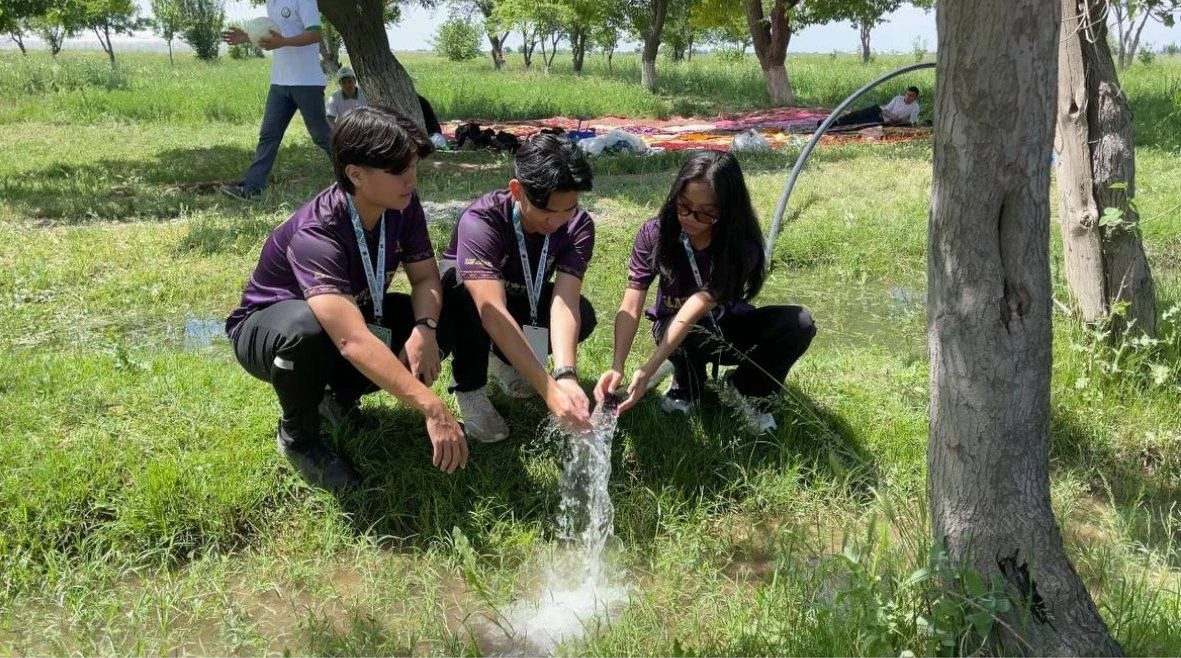
As part of the collaborative partnership between Universiti Teknologi PETRONAS and Karshi State Technical University, Malaysian students undertook a humanitarian initiative in the “Gulshan” mahalla of Karshi district.
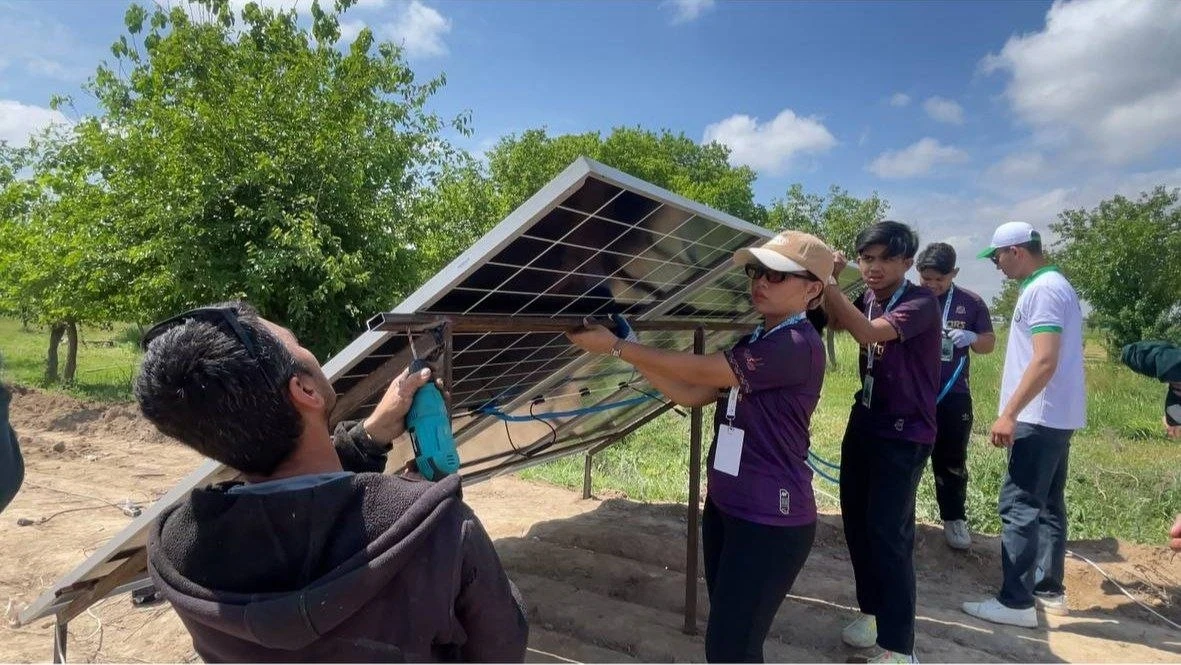
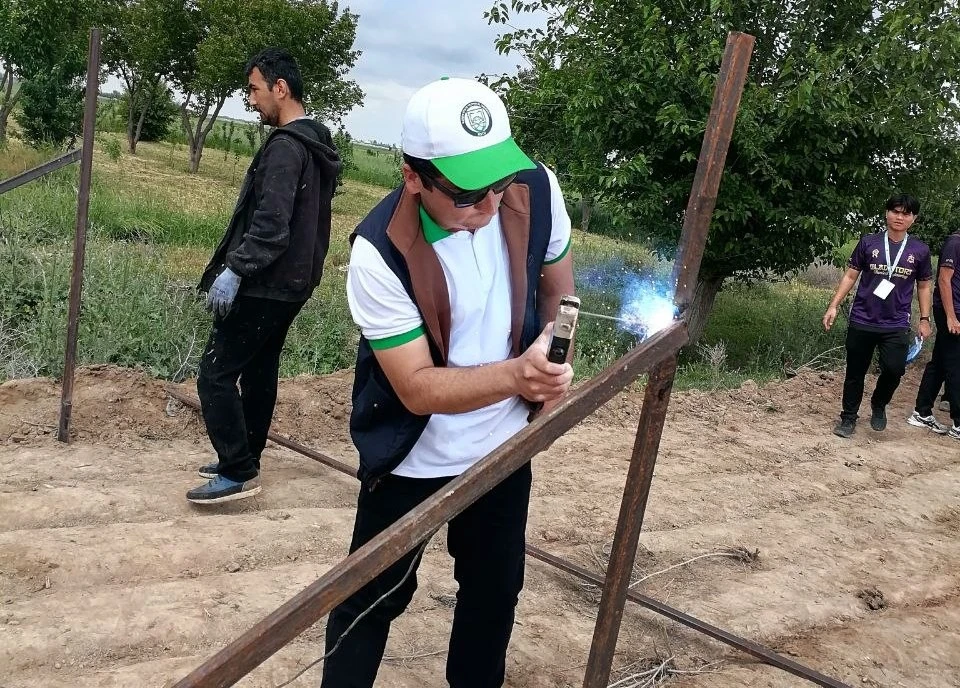
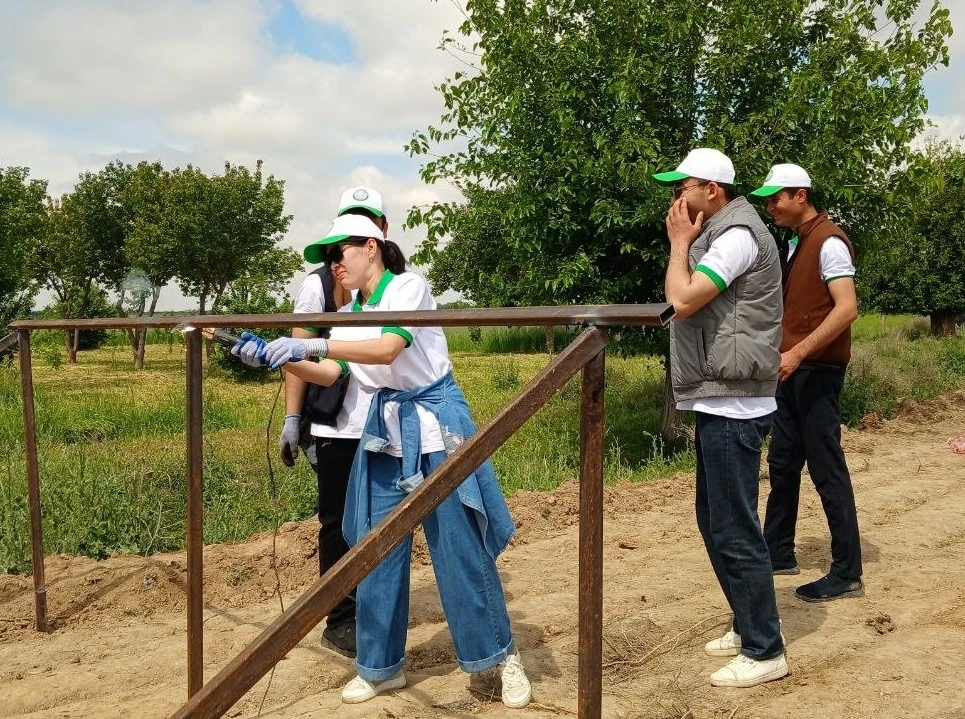
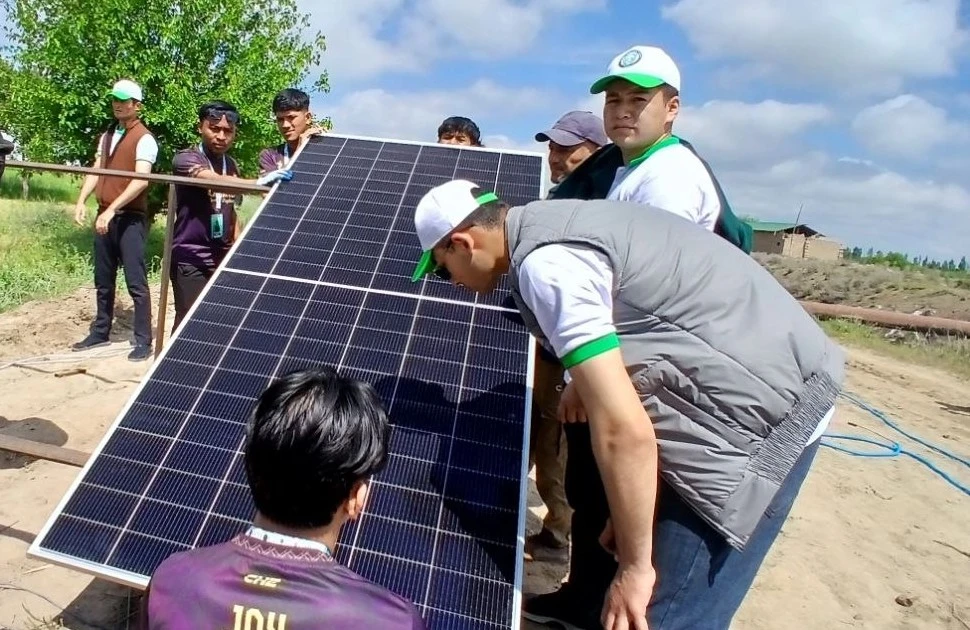
This project was financed entirely through the personal contributions and initiative of the 20 Malaysian students. The intervention involved the installation of environmentally sustainable and energy-efficient solar panels. Through the use of solar-powered pumping systems, groundwater was extracted and supplied as clean drinking water, effectively addressing a long-standing issue faced by the local community.
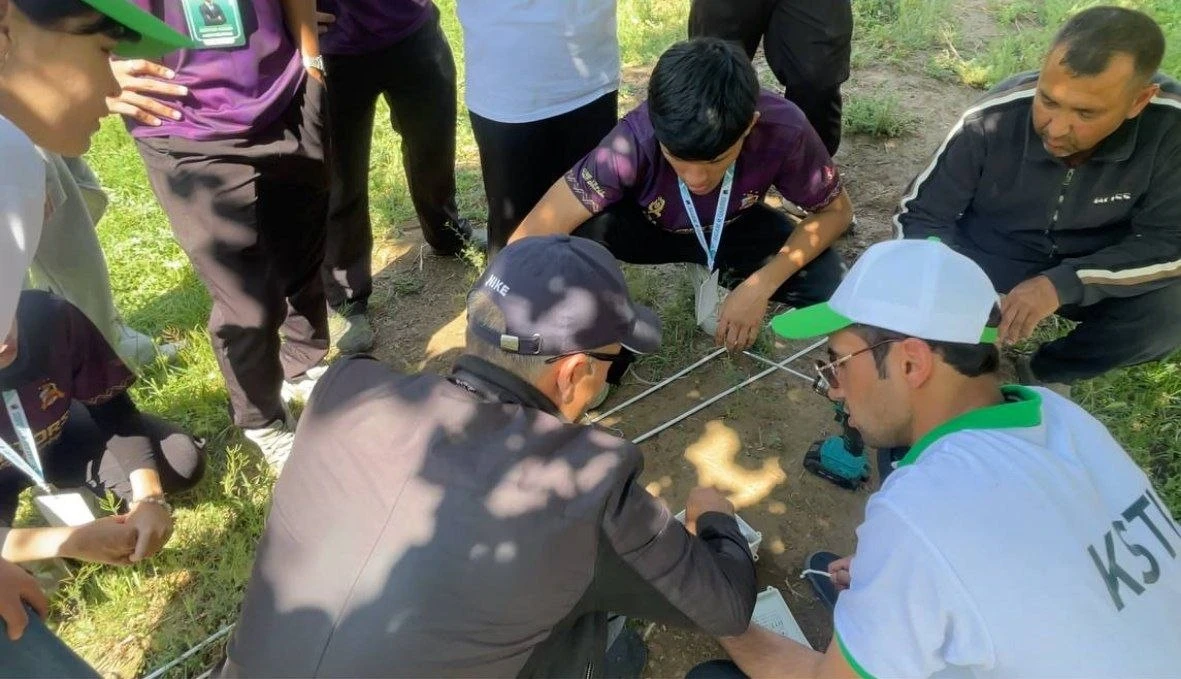
The project significantly improved the living conditions of residents while simultaneously demonstrating the practical advantages of renewable energy technologies. Moreover, it served as a tangible example of how academic collaboration can extend beyond theoretical knowledge exchange to generate meaningful societal impact.
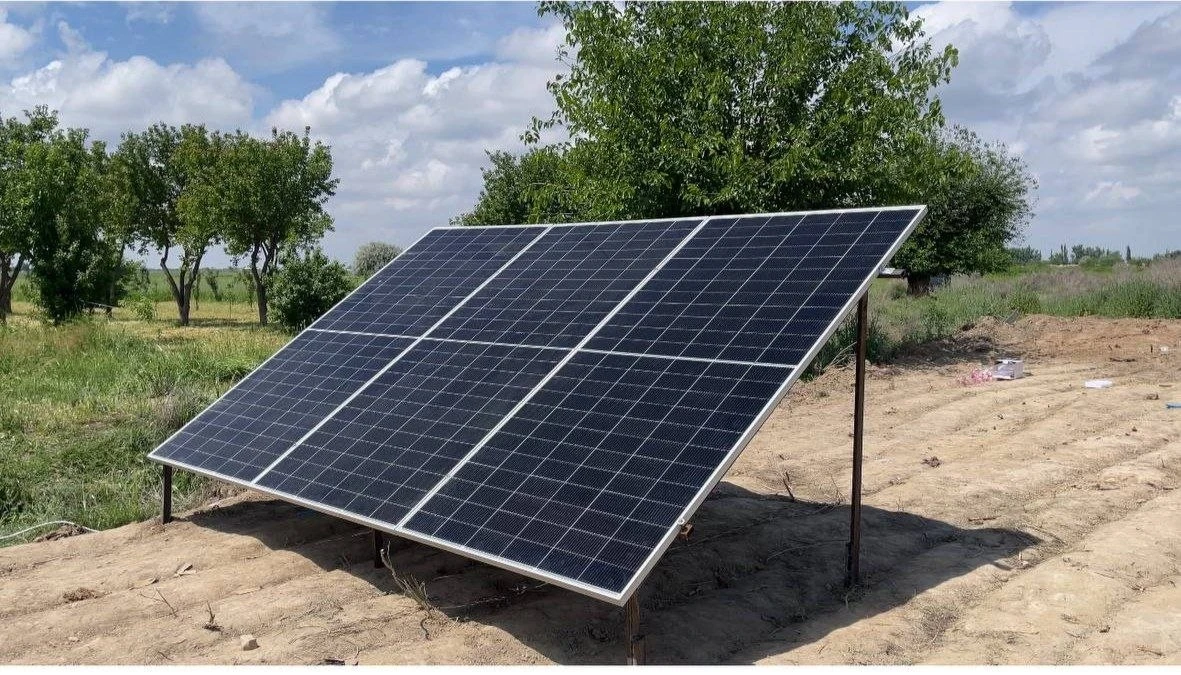
This initiative not only strengthened the bonds of friendship between the youth of Uzbekistan and Malaysia but also highlighted the students’ sense of social responsibility. By applying green energy technologies in a real-world context, the Malaysian participants contributed directly to community development.
Note: This visit represents an important step toward advancing higher education cooperation between Uzbekistan and Malaysia, while also promoting the broader adoption of sustainable and “green” technologies.